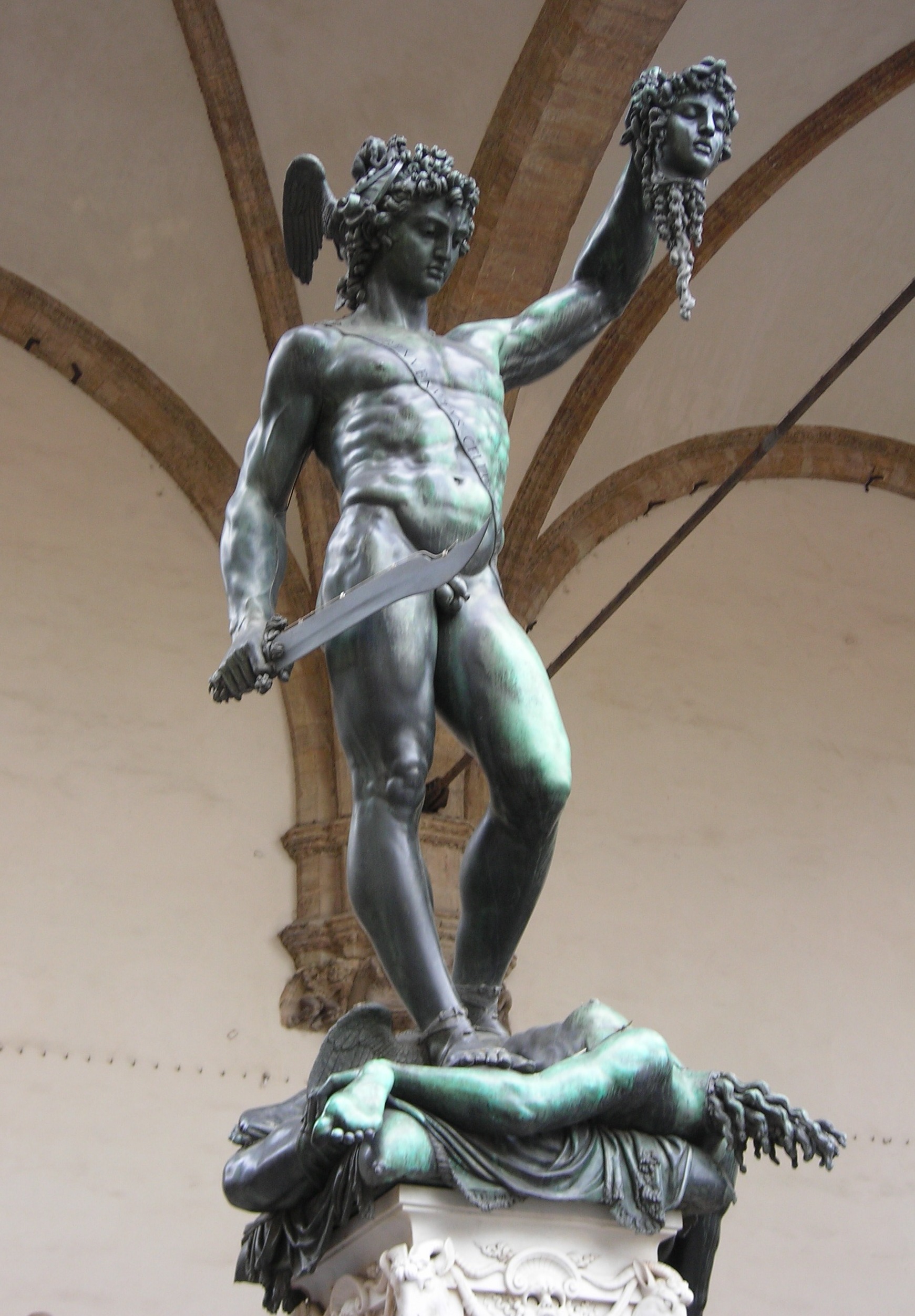
The archetype on the fix pole of the DOT model. Not a verdict on who you are: a position the body stands in when the only way to feel steady is to make everyone else steady first. It's care that can tip into control: concern that curdles into managing everyone else's discomfort so you don't have to feel your own.
Coach
Deepen
Victor is Fix energy: the scanning urgency to solve, manage, arrive with the answer before anyone asks. Deepen means noticing that urgency instead of already being three steps into fixing it.
Orient
Orient means all six counter qualities coming alive at once (Trust, Curious, Open, Give, Hold, Pause), not one chosen in isolation. Open is Fix's most direct entry point, the same axis as Victim's Curious from the opposite pole. The practice is holding the urgency and its counter together, before the mind picks a side.
Transform
With Open available, the same urgency becomes the Coach: not the hero who arrives with the answer, but the one who arrives with recognition. Its symbol is the butterfly.
However this archetype has shown up for you. More will gather here as people add their own.
Share your own art
However this archetype has shown up for you, in whatever medium you made it in. Shared art is reviewed before it joins the gallery above.
Where it sits
Victor sits on the Fix pole of the DOT model: the drive to make things okay by doing something about them. The other three threat archetypes sit on their own poles: Villain on Fight, Victim on Flight, and Vicar on Freeze. Where Villain pushes back and Victim pulls away, Victor leans in to fix, and when that leaning tips into over-functioning, it becomes rescuing instead of resourcing.
What it feels like
A cascade, not a switch. Each stage is the same signal, louder.
Concern
Tight chest, leaning forward, monitoring others. Urgency to help, rooted in care, but it can lead to over-functioning.
Worry
Racing thoughts, shallow breath, clenched stomach. Triggers micromanagement or intrusion, tied to fear of failure or being blamed.
Judgment
Furrowed brow, pursed lips, crossed arms. Arises as frustration with how others are handling conflict, creating distance when curiosity is what's needed. Ask: "What is mine to hold?" and "Am I supporting, or controlling?"
Practice: the Victor quest library
Real quests already tagged to this cascade, tied to your own garden, not a separate exercise.
Loading quests…
When this fire is right
Needs to be helpful
This fire is right when someone needs a steady hand and you have one to genuinely offer. Concern that turns into presence, worry that turns into attentiveness, judgment that turns into honest naming. These are useful signals, not just liabilities. The need to be helpful isn't the problem. It becomes a problem only when it stops being about them and starts being about your own discomfort with not knowing how to help.
The shift: from Victor to Coach
The butterfly: it sees the change it wishes to be in the world. It lands on what lights it up, carries a short lifespan, and remembers the butterfly effect.
Orient toward relaxed shoulders, a widened gaze, anchored feet. Notice if your hands are fidgeting, your voice tightens, or your attention narrows. These are cues you're trying to steer instead of witness. Remember: urgency can be a trauma response in disguise. When you slow down, you make room for others to rise. You can be present without pressure. You can care without clutching. Ask: What outcomes am I attached to, and why? What power dynamics might I be missing? Can I hold space without directing the story? Where am I outsourcing my discomfort to someone else's clarity? You are not the fixer. You are a co-journeyer. The pace of repair is not yours to rush.
Steps:
Ground yourself. Breathe. Notice if your help is being asked for.
Get consent. Before offering feedback or suggestions, ask: "Would you like support or just space to share?"
Use invitational language. Instead of directing, wonder aloud: "What do you think you need here?" or "What would support look like to you?"
Respect boundaries. If someone says no, thank them. This builds trust more than any advice ever could.
Am I centering myself in their story?
What would trust look like if I believed they had wisdom too?
One more thing
If you're caught between two people in conflict, remember: you are not a bridge if you flatten the terrain. Support the harmed party first. Learn about the AMENDS framework. Hold the harmer accountable to do their own work. You might say: "I want to support both of you in healing. That starts with honoring the harm that happened and giving space for real repair." Good coaching empowers choice. It doesn't rush resolution.
In the model's own words
This page is a written companion. The full DOT model asks and answers this out loud,
voiced, at the point the model builds Victor and, later, Coach. Reflected here in the
same voice, not a literal transcript.
What kind of person fixes? Through a not enough lens, we would call them the Victor, or the Hero. The one who needs to be needed, whose helping can quietly become controlling. Concern, then worry, then judgment.
The DOT Model
What does fix become? The Coach. The one who resources instead of rescues, who trusts the room to find its own way.
The DOT Model
The Victor, across real situations
Real moments this archetype shows up in, one at a time, in the same spirit as the
Villain page's own situations.
The belief:
The challenge:
Where this comes from
Drawn directly from my own earlier work mapping the DOT model's four threat archetypes and their flow counterparts, not a new invention for this page.
DOT ArchetypesThe original card set naming Villain, Victim, Victor, and Vicar alongside Challenger, Creator, Coach, and Connector.
"I'm Feeling Like a Victor"A practice guide for the Victor-to-Coach shift; this page's body-sensation and step-by-step content comes from it directly.
The AMENDS framework →The condensed repair path above points here rather than repeating it in full.
One of four threat archetypes and their flow counterparts on the DOT model.