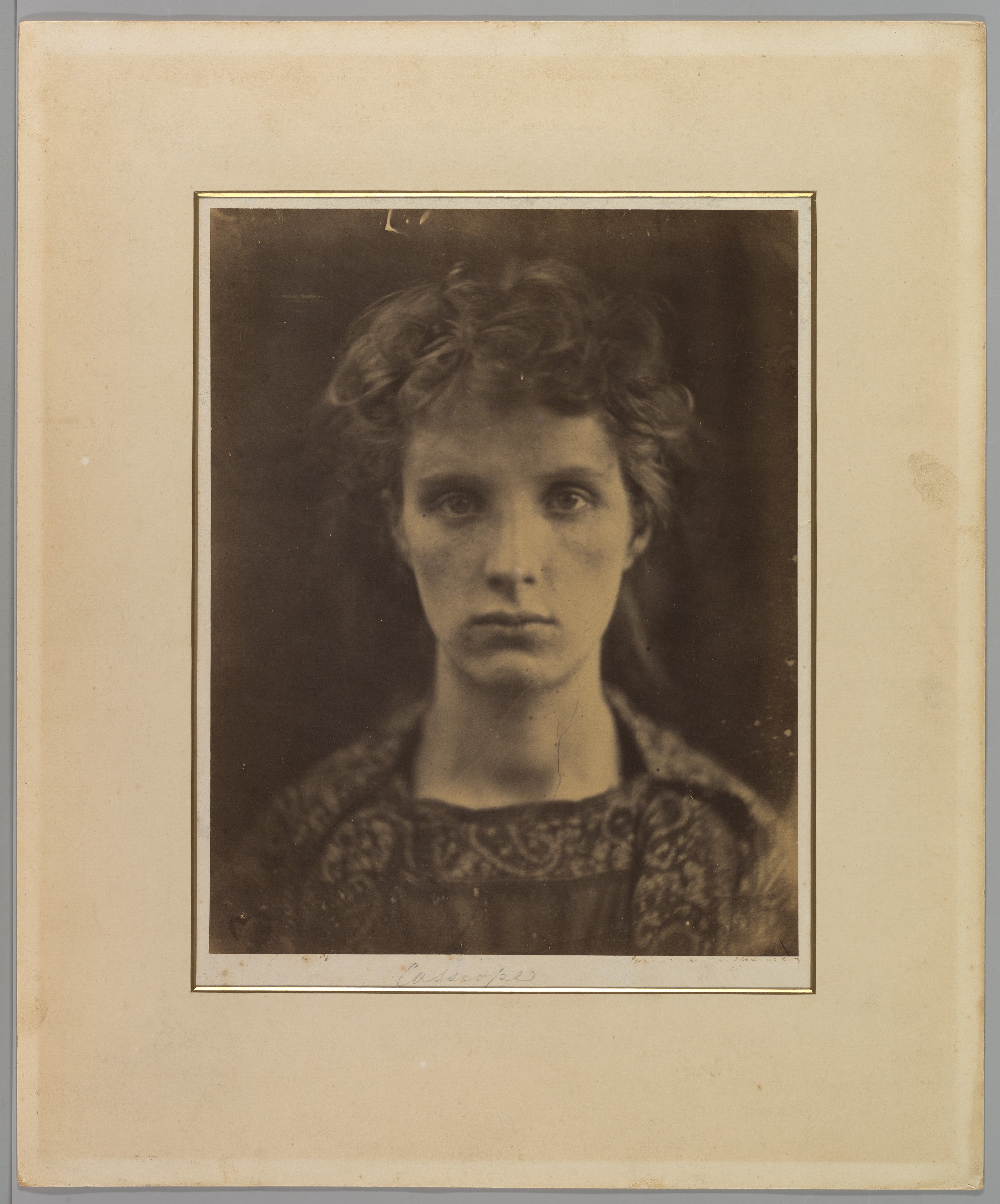
The archetype on the freeze pole of the DOT model. Not a verdict on who you are: a position the body stands in when doing nothing feels safer than doing the wrong thing. These emotions signal that you've watched something go wrong and weren't sure what to do: maybe you froze, maybe you told yourself it wasn't your place. This isn't about blaming yourself. It's about reclaiming the power to witness, name, and choose differently next time.
Connector
Deepen
Vicar is Freeze energy: the fog, the stillness that can look like calm but is actually paralysis, watching something happen and not knowing what to do. Deepen means naming the freeze instead of mistaking it for composure.
Orient
Orient means all six counter qualities coming alive at once (Trust, Curious, Open, Give, Hold, Pause), not one chosen in isolation. Give is Freeze's most direct entry point, the same axis as Villain's Trust from the opposite pole. The practice is holding the stillness and its counter together, before the mind picks a side.
Transform
With Give available, the same stillness becomes the Connector: warmth moving outward instead of holding in place. Its symbol is the root system, threading through the earth even when it looks petrified.
However this archetype has shown up for you. More will gather here as people add their own.
Share your own art
However this archetype has shown up for you, in whatever medium you made it in. Shared art is reviewed before it joins the gallery above.
Where it sits
The Vicar sits on the Freeze pole of the DOT model's four threat archetypes: where the Villain fights, the Victim flees, and the Victor fixes, the Vicar freezes. It's the fire that shows up as bystanding: seeing something happen and not knowing what to do about it.
What it feels like
A cascade, not a switch. Each stage is the same signal, louder.
Confusion
Furrowed brow, head tilts, scanning. Disorientation or a lack of information. This often shows up first when harm is subtle or complicated, when you can't yet tell what's happening or what it means.
Guilt
Tight chest, averted gaze, inner fidgeting. The dissonance between what you value and what you did, or didn't do.
Shame
Collapsed posture, heat in the face and neck, an urge to disappear. The belief that because you didn't act, you are bad. Shame thrives in silence. Ask yourself: What stopped me from acting? What values felt compromised?
Practice: the Vicar quest library
Real quests already tagged to this cascade, tied to your own garden, not a separate exercise.
Loading quests…
When this fire is right
Needs to be seen as helpless
The Vicar's freeze is right when the situation is genuinely unclear: when you don't yet have enough information to act safely, or when moving immediately would do more harm than a beat of witnessing first. Pausing to observe, gather context, and steady your own nervous system isn't the same as abandoning the moment. It becomes a problem only when the freeze becomes permanent, when "I don't know what to do" quietly turns into "it's not my place."
The shift: from Vicar to Connector
Symbol: the roots, because they remind us to hold ground when the storms arrive.
Breath in the belly, steady legs, a clear gaze. Bystanding isn't neutral: silence organizes power. But witnessing is a powerful first step. Ask: What made it hard to intervene in that moment? What would "showing up" have looked like, even in a small way? How might I practice unfreezing next time? Where do I still need more tools or context to respond differently? What systems or cultural dynamics contributed to my freeze? This isn't about self-shaming, it's about turning toward integrity. Notice where your nervous system contracted, and what support you might need to expand it next time. You are not powerless. You are learning.
Steps:
Acknowledge your response. No need to justify. Simply name what happened. "I froze." "I didn't know what to say." Owning it is the first step toward change.
Reach out to the harmed person (if appropriate). A small message can make a big difference. Try: "I saw what happened. I didn't know what to do. I'm here now."
Interrupt harmful dynamics when you can. Even small questions shift the field. "Can we pause?" "What's happening here?" "Can we check in on so-and-so?"
Speak to the person causing harm, if safe. You don't have to call them out. Calling them in can look like: "I noticed that comment landed hard, can we unpack that?"
Stay teachable. Learn about power, trauma, and collective repair. Follow the lead of those impacted. Get feedback. Build stamina for discomfort.
Practice in low-stakes moments. Use everyday micro-moments to rehearse clarity, courage, and relationality.
Am I avoiding discomfort to preserve my image?
What kind of witness do I want to be next time?
What's one micro-action I can take to make this culture more accountable?
One more thing
Learn the non-verbal version of the CLARA (Calm, Listen, Affirm, Reflect, Add) method. Use it to attune, reflect, and stay relational, without needing to center yourself or even speak. You're not here to save or scold. You're here to show up, keep your feet on the ground, and breathe deeply into your belly.
In the model's own words
This page is a written companion. The full DOT model asks and answers this out loud,
voiced, at the point the model builds Vicar and, later, Connector. Reflected here in the
same voice, not a literal transcript.
What kind of person freezes? Through a not enough lens, we would call them the Vicar, or the Bystander. The one who goes still when something in them doesn't know what to do. Confusion, then guilt, then shame.
The DOT Model
What does freeze become? The Connector. The one whose stillness becomes an offering instead of an absence, who stays in the room and holds it.
The DOT Model
The Vicar, across real situations
Real moments this archetype shows up in, one at a time, in the same spirit as the
Villain page's own situations.
The belief:
The challenge:
Where this comes from
Drawn directly from my own earlier work mapping the DOT model's four threat archetypes and their flow counterparts, not a new invention for this page.
DOT ArchetypesThe original card set naming Villain, Victim, Victor, and Vicar alongside Challenger, Creator, Coach, and Connector.
"I'm Feeling Like a Vicar"A practice guide for the Vicar-to-Connector shift; this page's body-sensation and step-by-step content comes from it directly.
The AMENDS framework →The condensed repair path above points here rather than repeating it in full.
One of four threat archetypes and their flow counterparts on the DOT model.